 Safari
Is Africa Safe? Is it safe to go on safari?
Safari in Africa is often far safer than people imagine. While travellers tend to picture dramatic wildlife encounters, the reality is that most safari experiences are professionally managed, controlled environments led by highly trained guides and reputable operators. From secure lodges to expert wildlife knowledge, safari safety is built into every part of the journey. Like travel anywhere in the world, staying aware and booking through trusted operators makes all the difference — which is why platforms like Join Africa focus on connecting travellers with vetted safari guides and verified tour companies across the continent.
The short answer is yes. Very safe. But it’s important to separate two different conversations. One is general travel within Africa and the other is safari itself because the experience and environment are quite different.
One of the most important parts of safari safety actually happens before you even arrive. Make sure you are booking through trusted tourism operators and qualified safari guides. Join Africa provides access to vetted safari guides who are registered with local authorities and work alongside legitimate verified tour operators.
Firstly, travel across Africa’s major cities, beach destinations etc are generally very safe and welcoming for tourists. However, just like travelling anywhere else in the world a little common sense goes a long way. Be sensible with valuables, avoid walking alone late at night in unfamiliar areas and don’t carry large amounts of cash if you don’t need to. Flashing expensive jewellery or leaving phones hanging out of pockets in busy city areas is never the smartest move whether you’re in Nairobi, London or New York. Most travel safety in cities comes down to awareness rather than fear.
Now safari itself is often the part people worry about most which is slightly ironic because it’s usually the safest part of the trip. Safari lodges camps and conservancies are controlled tourism environments and the risk of crime or physical harm is extremely low. You are generally surrounded by other travellers, lodge staff and experienced hospitality teams rather than wandering through busy public areas. Most lodges provide safes in rooms or tents for passports, cameras and valuables which is always sensible to use but overall safari camps are exceptionally secure places to stay.
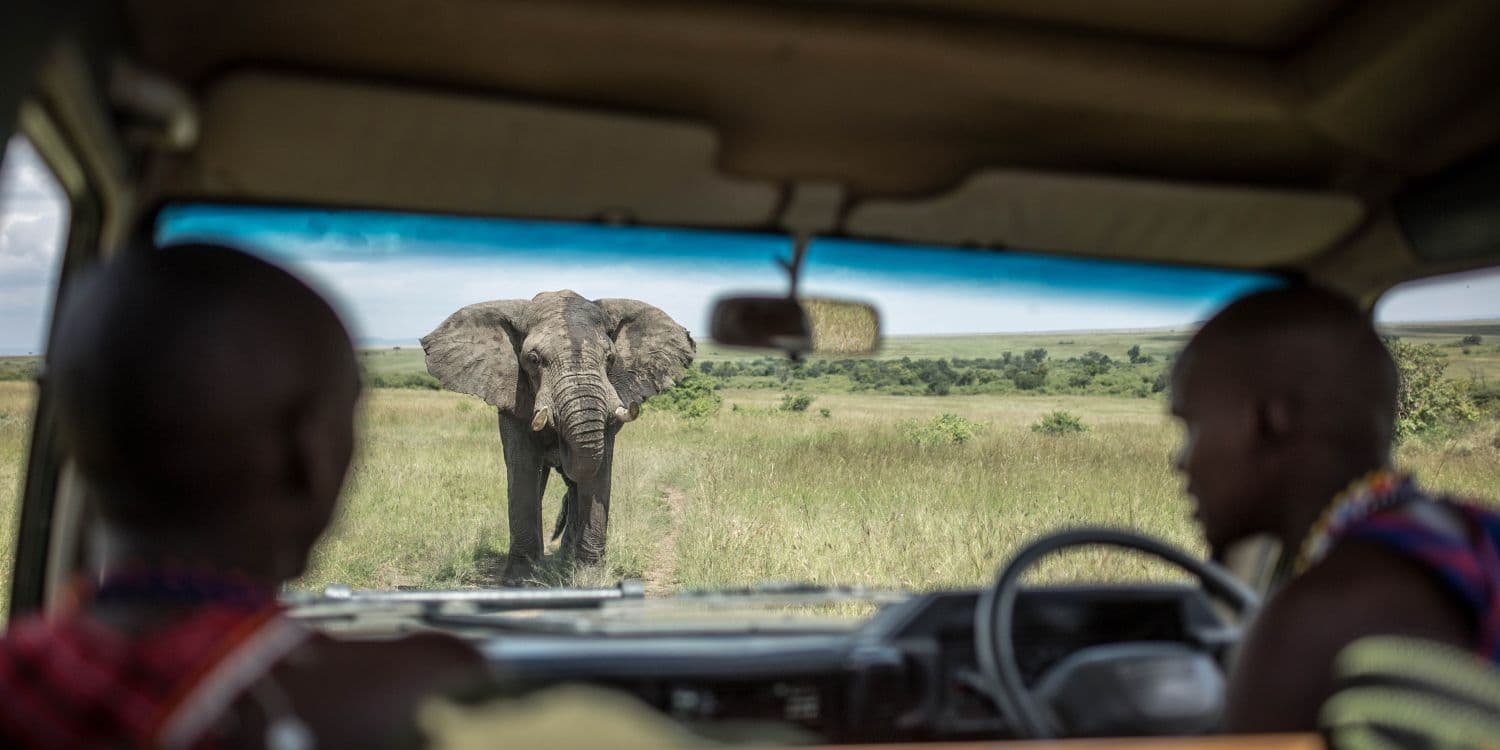
Then there’s the wildlife which understandably tends to dominate people’s imagination. Thankfully safari guides are extensively trained in animal behaviour, park safety and guest management. A good guide will never deliberately place you in a dangerous situation and attacks involving safari vehicles are extremely rare. In reality most animals are far more interested in ignoring you than chasing you. A potential lion resting near your vehicle is probably expending less energy thinking about you than you are thinking about him.
That said safari safety does rely heavily on listening to your guide. If they ask you to remain seated, stay quiet or avoid walking around camp alone at night there is usually a good reason for it. Most safari rules are very simple and designed to protect both guests and wildlife. Overall safari is one of the safest and most professionally managed travel experiences you can have. The biggest risk for most people is not wanting to return home at all!